Energy stream
The Summer School AACIMP has good experience of delivering energy-dedicated lectures at Sustainable Development and Advanced Energy streams in 2010 and 2012 correspondingly. This year Energy stream will reappear in the program of the Summer School AACIMP focusing on low energy housing and particularly on new approaches and solutions to enhancing energy efficiency of buildings.
Why low energy buildings?
Energy efficiency plays a great role in eradicating global poverty and improving wellbeing for billions of people. Environmental problems such as global warming and pollution indicate the need for alternative and sustainable energy resources for cooling and heating of buildings. About 40% of the total fossil fuel energy in the highly developed countries is consumed by traditional buildings making them noticeable contributors to greenhouse gas emissions. Thus, improving energy efficiency of buildings is an inevitable step when aiming to sustainability in any of its contexts.
EU has set targets to ensure that from 2020 all new buildings consume very little energy bringing on the arena “nearly Zero-Energy Buildings”, while U.S. Green Building Council developed LEED certification system for the buildings. New directions in building as “low energy building” and “green building” are based on perspective engineering solutions which allow to obtain very low energy consumption. Energy efficiency measures provide control of energy costs, reduce environmental footprints, and increase the value and competitiveness of buildings. What is proposed?
The stream will start with broad overview of existing challenges joined by discussion of the wide-spread and emerging approaches to low energy building. General introduction lectures will be followed by the study of the particular technologies such as "smart buildings", “smart grid” and their components, efficient usage of solar energy, natural ventilation and integrated energy efficiency equipments, daylight systems, heating, ventilation and air conditioning; new materials and construction methods; and advanced simulation tools. Moreover, the energy efficiency challenges in developing countries will be discussed.
Preliminary list of courses:
- Overview of Low Energy Buildings. Methods and Components
- Photovoltaics and Building Integrated Photovoltaics
- Solar Cooling
- Heat Pumps Technology
- Heat Pipes Technology and Heat Pipes Application to Energy Saving Systems
- Sustainability in Energy and Building
- Thermal efficiency in buildings
- Smart Grid
- Energy Saving Technologies in buildings
- Which R&D Results make it to Market? Technologies for Low Energy Buildings in Theory versus Reality
- Energy Efficient Renovation and operation of buildings. A short introduction
Prerequisites
Basic physics and mathematics, desire to explore and discover.
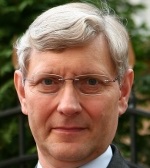
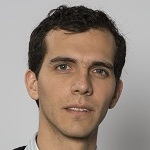
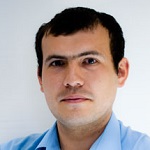
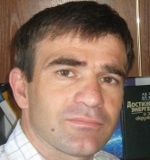
Tutors of the stream are:
Dr. Guenther Beck, Beck&Partner KG company, Austria;
Dr. Orhan Ekren, Ege University, Solar Energy Institute, Bornova, Izmir, Turkey;
Dr. Johann Harter, Activ Solar, Austria;
Dr. Sergey Khairnasov, Thermal Power Department of the National Technical University of Ukraine “KPI”, Kyiv, Ukraine;
Mr. Vadim Litvin, KyivESKO, Kyiv, Ukraine;
Mr. Ricardo Ramirez Villegas, Dalarna University, Sweden;
Dr. Volodymyr Voloshchuk, Department of Hydro-Thermal Power Engineering and Hydraulics Machines, National University of Water Management and Nature Resources Use, Rivne, Ukraine.
Number of credits: 3 ECTS (P/F)
Additionally 3 ECTS can be obtained from participation in the joint poster session.
In order to apply for Summer School please fill in the online application form.